Posts mit dem Label Weltpremiere werden angezeigt. Alle Posts anzeigen

Samstag, 13. Juni 2009

Und wer ist Ihr Landwirt? Local Food Movement (2) | Yes we can! — Obamas Amerika (5): Was Nahrung zum Lebensmittel macht: Ingredienten

SONDERVERANSTALTUNG | WELTPREMIERE
in Zusammenarbeit mit der Berliner Community des SLOW FOOD Movements: http://slowfood-berlin.de/
Bitte beachten Sie auch die Website von FOODWATCH in Berlin: http://foodwatch.de/


Film-Nr.: 242
Vorführungstermin: Donnerstag, 13. August 2009, 18.30 Uhr (Hauptfilm) [VN24]
Themenschwerpunkt: Yes we can! — Obamas Amerika (5) | Und wer ist Ihr Landwirt? — Local Food Movement (2)

Englischer Titel: Ingredients
Originaltitel: Ingredients
Deutscher Titel: Zutaten: Was Nahrung zum Lebensmittel macht
Herkunft: USA 2009
Laufzeit: 67 min.
Sprachfassung: Englische Originalfassung

Regie: Robert Bates
Produzent: Brian Kimmel, Debra Sohm Lawson
Schnitt: Robert Bates
Kamera: Brian Kimmel
Musik:
Sprecher: Bebe Neuwirth
Produktion: Optic Nerve Production, Portland (Oregon)

URL Film-Homepage:
Premierenstatus: Weltpremiere
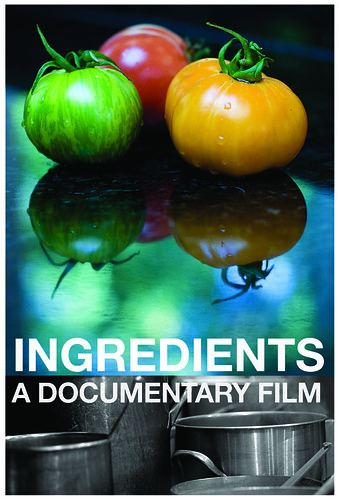

Ingredients (USA 2009) movie poster

Kurzinhalt: Das Verlangen nach „nahrhaften und gesunden Lebensmittel“ geht über die Qualität des „organic“ (bei uns „BIO“) hinaus; denn die schiere Größe des landwirtschaftlichen Ökonomie-Sektors auf dem nord-amerikanischen Kontinent verlängert nicht nur die Dauer von Transportwegen. Die politisch gewollte Industrialisierung mit ihren Riesen-Strukturen hat zudem die Qualität und Sicherheit von Lebensmitteln in den USA drastisch gesenkt. Bakterienverseuchungen von Spinat, Tomaten und Fleisch sind an der Tagesordnung. Das „Local Food Movement“ rückt damit immer stärker ins Bewusstsein, verbunden mit der Frage: "Und wer ist Ihr Landwirt?" — Die Erzeugung von Lebensmitteln darf keine Angelegenheit von Anonymität sein; sie wird zunehmend eine Frage des persönlichen Vertrauens.

Trailervideo: http://blip.tv/file/2247653 + http://www.youtube.com/watch?v=A_s8o4T-5ZM&feature=channel_page

Englische Synopsis: INGREDIENTS explores a thriving local food movement as our world becomes a more flavorless, disconnected and dangerous place to eat.

Englische Werkbeschreibung: American food is in a state of crisis. Questions of food safety are in the news with alarming frequency. Obesity and diabetes are on the rise, food costs are skyrocketing, family farms are in decline and our agricultural environment is in jeopardy. Over the past generation, consumers have become increasingly disconnected from the source of their meals as nearby farms offering fresh seasonal foods have given way to processed foods shipped from distant places. People living in or near cities are literally losing sight of where their food comes from as the average meal now travels over 1500 miles to reach our plates. Within the past few decades, however, a growing number of people around the country have been engaged in a movement to put good food back on the table. Across the country, people are reclaiming their right to know who grows their food and where it comes from. The pleasure of eating fresh, seasonal foods has given life to farmers markets from New York to the Pacific Northwest. By selling directly to local customers, farmers earn more money and are able to stay on their land while consumers are now realizing they have a safe, healthy and desirable option of what to eat. A feature-length documentary film narrated by Bebe Neuwirth, INGREDIENTS documents both the challenges and opportunities presented by a locally based food economy. At the vanguard of this story are the chefs and farmers whose collaborative relationships have greatly elevated the quality and flavor of food now available to us. They are joined throughout the film by nutritionists, authors and economists who describe the community-wide benefits of this alternative food model. INGREDIENTS takes its inspiration and structure from the four seasons, each season offering an in-depth exploration of the challenges faced by the local food movement. The film opens with the cold blue light and barren trees of a winter farm in Oregon. Anthony and Carol Boutard are harvesting an unexpected abundance and diversity of vegetables. Beets, brussel sprouts and braising greens are fresh and at their sweetest. Inside their warm farmhouse, they join restaurant owner and chef Greg Higgins in a meal of wood-fired pizzas and cassoulet. They discuss their concern over the state of food in America. Our narrator then expands on the idea that this concern over the health, safety and cost of food is nation-wide; and that across the country, communities of farmers and chefs are responding with small, diversified and successful food systems. These communities are allowing consumers to regain knowledge of the origins of their food and the lost art of eating seasonally. Spring, with its warming weather, illustrates the importance of community.
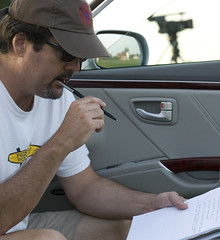
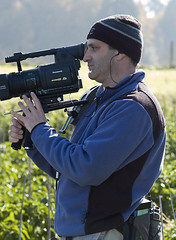
Ingredients (USA 2009) director Robert BatesIngredients (USA 2009) producer and DOP Brian Kimmel

Chef Alice Waters of Chez Panisse in Berkeley, California describes how she was inspired by the simplicity and pleasure of European food culture where direct relationships between chefs, farmers and consumers are commonplace. We learn from sheep rancher John Neumeister how a phone call from Alice Waters transformed his business. By selling directly to chefs and bypassing commodity markets he was able to take control over his own livelihood. As his sheep graze on verdant spring grasses, John goes on to describe a healthy ecological system where grass, ducks, sheep and his family live in a mutually beneficial environment. The long daylight hours and quickly ripening foods of summer underscore the theme of growth. The skyscraper canyons of Manhattan are home to thriving farmers’ markets, where farmers and chefs collaborate in the most urban of environments. In Harlem, farmer Jean Paul Courtens is dropping off fresh, seasonal produce to low-income families through his community supported agriculture (CSA) program. In Ohio, the Jones are a third-generation farming family. Twenty years ago, they were growing conventional crops and found themselves facing bankruptcy. With nothing left to lose, they started to grow exotic vegetables, heirloom tomatoes and micro greens. They quickly recognized an emerging market for specialty foods and now, restaurants chefs wanting to buy food from the Jones’s farm are put on a waiting list. The Jones’ success starkly contrasts with the reality that unprecedented urban growth has put many less established farmers in peril. As the days of cheap land and cheap fuel are behind us, the film explores the daunting, nation-wide economic need for owning and preserving farmland close to where people live. It also reveals the challenges posed by the fact that prime agricultural land is increasingly being used to either build houses or to grow fuel crops such as corn for ethanol. The turning leaves of fall represent an opportunity for change. We see urban school kids on a farm tour, discovering where their food comes from as we hear them crunching on freshly dug beets and carrots. Considered by many to be the godmother of the local food movement, Joan Dye Gussow describes the obstacles that this movement must overcome in the near future. An author, nutritionist and professor at Columbia University, her work illustrates how the food we eat is inextricably linked to our health and the health of the broader community. The film concludes with a brief reprise of winter where our farmers and chef from the beginning of the film create and share a meal together. Reflecting on the challenges and opportunities that lie ahead, their conversation underscores the role that the consumer can play in creating viable local food systems. It is in stark contrast to our bleak economic, health and environmental news that this film offers a solution. It shows how food can become a substantive and enjoyable way to address a host of complex issues. INGREDIENTS empowers and sparks the joy of discovery in creating a healthier, more sustainable model for living and eating well in a world in need of balance.

GLOBIANS DOC FEST BERLIN
August 12 - 17, 2009
Kino Toni, Antonplatz

Yes we can! — Obamas Amerika (8): Das "Alte Geld Amerikas" und die zwei nachkommenden Generationen als Erben — Reichtum und ethische Werte

Film-Nr.: 271
Vorführungstermin: Donnerstag, 13. August 2009, 23.00 Uhr [VN27]
Themenschwerpunkt: Yes we can! — Obamas Amerika (8)

Englischer Titel: Beyond Greenaway: The Legacy
Originaltitel: Beyond Greenaway: The Legacy
Deutscher Titel: Das Erbe von Greenaway — Reichtum und Werte einer amerikanischen Familie über drei Generationen
Herkunft: USA 2009
Laufzeit: 67 min.
Sprachfassung: Englische Originalfassung

Regie: Sue Gilbert
Produzent: Sue Gilbert
Schnitt: Amy Enser, Leigh Kimball, Gary Mula (sound)
Kamera: Gabriel Miller, Joe Jacobs, Kevin Tomlinson
Musik: Eric Goetz
Produktion: Oombaria LLC Media Arts, Bellevue (Washington)

Website URL http://oombaria.com/
Premierenstatus: Internationale Premiere

Bisherige Aufführungen: Rhode Island International Film Festival; Providence, Rhode Island (USA) [WP]

Trailer: http://globians.blip.tv/file/2268261 + http://www.youtube.com/watch?v=o9wghSzochs


Kurzinhalt: Wie gehen die Erbengenerationen des "Alten Geldes" von Amerika mit ihrem Reichtum um? — Welche ethischen Einstellungen bilden sich heraus?

Englische Synopsis: What is the legacy of inherited wealth? Do we deserve it? Did we inherit our parents’ values along with the money? Sue Gilbert returns to explore the wealth and lifestyle issues first portrayed through the eyes of her elderly parents in her documentary “Greenaway” (1982), set on her family’s private island in Connecticut. In “Greenaway,” her parents were starkly frank about the meaning of wealth, the relevance of a servant class, and other topics such as the immanent decline of the American democracy into socialism “and slavery.” This time out, Gilbert compares her parents’ viewpoints to those of their children and grandchildren, lending each topic an almost holographic effect as it is viewed through this multigenerational lens. Whereas the elder Gilberts observed their lives and surroundings from a fixed perspective typical of their era (both were born in 1907), we see the next two generations wrestling with both sides of the coin of wealth, including seldom-discussed issues of deserving, class, envy and hiding. We also glimpse the stewardship that wealth necessitates, including circulating it among those less fortunate. “Beyond Greenaway” explores a range of diverse topics such as marriage and divorce, belief in God, drug therapy, and politics. In exploring common themes, this film transcends the uniquely personal to become universally relevant. We come to care for the family as ordinary people sharing their struggles, regardless of their advantages. Told from an insider’s perspective, “Beyond Greenaway” offers a unique snapshot of a largely hidden segment of the American population.

Beyond Greenaway (USA 2009)>Beyond Greenaway (USA 2009)

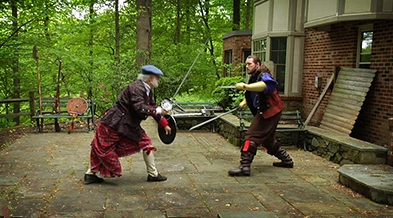
Englische Werkbeschreibung: Almost 30 years ago, filmmaker Sue Gilbert returned to her childhood home in Connecticut to capture her parents and their vanishing way of life. Set on Greenaway Island, the family’s private enclave, her award-winning documentary “Greenaway” (1982) encapsulated the privileged world of old money as it was then. Her parents were starkly frank about the meaning of wealth, the relevance of a servant class, and other topics such as the travesty of having children who never marry and the immanent decline of the American democracy into socialism where “we will all be slaves.” In “Beyond Greenaway,” Gilbert compares and contrasts her parents’ viewpoints to those of their six children, now almost the age of her parents in the first film. She asks some new questions: what is the legacy of inherited wealth? Do they deserve it? Did they inherit their parents’ values along with the money? She also features their adult grandchildren, lending each topic an almost holographic effect as it is viewed through this multigenerational lens. Whereas the elder Gilberts observed their lives and surroundings from a fixed perspective typical of their era (both were born in 1907), we see the next two generations wrestling with both sides of the coin of wealth. The advantages of wealth are easy to imagine. It may be convenient to have your own plane and “a car and driver when you want it,” but what about the downsides of money - those seldom discussed issues of deserving, hiding, jealousy and fear? These aspects would never have occurred to the elder Gilberts, yet they comprise a darker side of the legacy of wealth. Heading off opportunists is, in John Gilbert’s words, “an occupational hazard.” Granddaughter Angela asks to be seen for who she is, “hopefully.” Brought up to work for their own living, it is riveting to hear how the Gilbert children were caught completely off-guard when their inheritance was triggered by the death of their mother in 1981. “We were all scrambling,” says Dan Gilbert. We see the stewardship that wealth necessitates, from managing it to passing it along to benefit others, whether through philanthropy or by sending disadvantaged children to college. No exploration of the wealthy would be complete without mentioning recreation, and here “Beyond Greenaway” literally soars. “My father is the keeper of the Eddystone light…” Sue Gilbert and her brother John sing a sea shanty at the wheel of a sailboat. Whether we’re watching the Gilberts sailing, acting, drumming in a band, sword fighting in period costume or performing aerobatic maneuvers in the sky, this family entertains with humor, skill and derring-do. “Beyond Greenaway” follows in the footprints of the earlier film by exploring a diverse range of topics such as marriage and divorce, belief in God, drug therapy, and politics. For example, the younger Gilberts are divided about the value of marriage as opposed to living together. “Neither of my parents has been married in my lifetime,” confides young Skye Gilbert, “so I viewed marriage as an oddity.” Yet the grandchildren are generally the ones who weigh in for marriage. The Gilbert children are frank about their upbringing on Greenaway Island. “I dreaded going home,” says Lee Gilbert, who felt he was always walking on eggshells. “I loved the parties,” enthuses Mary Gilbert, an actress. Are they upper class? Yes - “technically I’m a member of the upper class,” says John Gilbert. “No,” Mary disagrees, “I don’t think I know anyone who is.” Ultimately, class is defined as a feeling as well as a financial statistic. Director Sue Gilbert reveals that her mother had once hatched a plot “to kidnap Nixon.” Apparently even the U.S. President leaned too far to the left. The Gilbert children are united in their views about their parents’ political paranoia. They had to avoid talking about politics if at all possible. Sometimes generational differences escalate into open conflict, as when Racey Gilbert is expelled from Greenaway Island for joining the 1969 March on Washington. “They called me a traitor….” In the end, the love this family shares for one another is the glue that binds them beyond their differences. “I always knew she loved me,” says Racey, who sneaked back to the island to visit his mother when he knew she was dying. The best thing one can do, he advises, “is to pick the right parents.” We come to care for this family as ordinary people sharing their struggles, regardless of their advantages. They are warm, likeable, and honest. In exploring common themes, “Beyond Greenaway” transcends the uniquely personal to become engaging and universally relevant. Filmed with an insider’s perspective, this documentary offers a unique snapshot of a segment of the American population largely hidden from the media.

Beyond Greenaway (USA 2009) Director Sue Gilbert

Director's Bio: Sue Gilbert is a writer/producer/director based in Seattle, USA. Gilbert studied film at Art Center College of Design in the 1970s, remaining in Los Angeles to work on commercials, corporate films and ABC After School Specials. In the early 1980s she produced and directed several short films as well as Greenaway, an award-winning feature documentary. Her shorts include A Dance Fantasy (1984), selected for exhibition at the International Children’s Film Festival in Gijon, Spain, and The Perfect Cup (1984), aired on HBO and on airplanes. She retired in 1985. Last year Gilbert returned to filmmaking to make Beyond Greenaway: The Legacy, her second feature film. She is passionate about films that tell compelling, unusual stories that are uplifting.

GLOBIANS DOC FEST BERLIN
August 12 - 17, 2009
Kino Toni, Antonplatz
Freitag, 12. Juni 2009

Essayfilme (3) | Gay Stories (1): Fernbeziehungen über Kontinente hinweg und das Fehlen tragender Grundrechte in einer ökonomisch globalisierten Welt

Film-Nr.: 321
Vorführungstermin: Freitag, 14. August 2009, 15.15 Uhr (Vorfilm) [VN32]
Themenschwerpunkt: Essayfilme (3) | Gay Stories (1) | Yes we can! — Obamas Amerika (9)

Englischer Titel: home
Originaltitel: home
Deutscher Titel: Daheim
Herkunft: USA 2009
Laufzeit: 11 min.
Sprachfassung: Englisch-deutsche Originalfassung

Regie: Broderick Fox
Produzent: Broderick Fox
Schnitt: Broderick Fox
Kamera: Broderick Fox
Musik: Michael Cohen
Produktion:

Premierenstatus: Weltpremiere


Kurzinhalt: Eine Fernbeziehung zwischen den USA und Berlin: ihr Scheitern durch das Fehlen tragender Grundrechte für gleichgeschlechtliche Lebenspartnerschaften in einer ökonomisch globalisierten Welt.

Englische Synopsis: A transnational gay couple searches for home in a world that is commercially globalized but still fragmented when it comes to basic human rights issues.

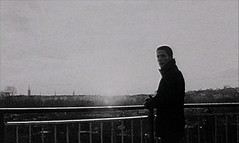
home (USA 2009) stillhome (USA 2009) still

Englische Werkbeschreibung: “Das hier ist ein “Home Video”, ein “Daheim Film”. Oder eigentlich eher… ein Film auf der Suche nach Heimat.” 'This is a home movie... Or rather... a search-for-home movie.' Armed with an ancient Hi-8 video camera (with broken microphone) and a decrepit Super-8 film camera, filmmaker Broderick Fox travels between Berlin and Los Angeles with his German partner, on an autobiographical search for home and for himself. Years later, Fox pulls these tapes and reels of footage out of a drawer and crafts this documentary—an ode to Berlin, a coming of age story, and a tribute to first love in equal parts. This work is part of Fox's present exploration of 'alternative home movies', telling the stories often silenced or forgotten behind the smiling faces of family albums and home videos. Home was written, shot, produced, and edited by Fox, all for under 200€, underscoring that complex, emotional work can be made without access to specialized technologies or professional budgets.

GLOBIANS DOC FEST BERLIN
August 12 - 17, 2009
Kino Toni, Antonplatz
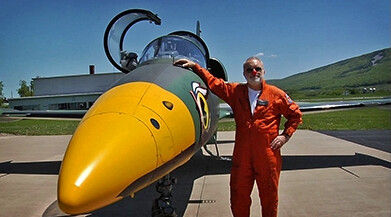
Die Frische der kanadischen Provinz (3):
Sutikalh — der Wintergeist

Film-Nr.: 331
Vorführungstermin: Freitag, 14. August 2009. 16.30 Uhr [VN33]
Themenschwerpunkt: Die Frische der kanadischen Provinz (3) British Columbia | Vom Überleben lokaler Kulturen (1) Kanada | Die Zerstörungswut der Freizeitindustrie (1) | Archäologie - Anthropologie - Ethnologie (2)

Englischer Titel: Quiet Struggle — Sutikalh the winter spirit
Originaltitel: Quiet Struggle — Sutikalh the winter spirit
Deutscher Titel: Stiller Kampf: Sutikalh — der Wintergeist
Herkunft: Japan/Kanada 2009
Laufzeit: 69 min.
Sprachfassung: Englische Sprachfassung

Regie: Kazutaka Tokoda
Produzent: Kazutaka Tokoda
Schnitt: Kazutaka Tokoda, ,
Kamera: Kazutaka Tokoda
Musik: traditionals
Produktion: Japonesia Video, Tomakomai, Hokkaido, Japan

Premierenstatus: Weltpremiere


Kurzinhalt: Der Kulturkampf zwischen dem Lilwat Stamm in British Columbia und den "Entwicklern" einer Ski-Lodge für die Winterolympiade 2010 in Vancouver mit geplanten Abfahrtspisten, die Sutikalh, den Wintergeist in den Bergen, schädigen.

Trailervideo: http://blip.tv/file/2280605 + http://www.youtube.com/watch?v=KPTY8nUHTFE&feature=channel_page

Englische Synopsis: Land conflict and culture clash between Lilwat Natives in British Columbia and the "developers" of a ski resort in the Rocky Mountains intended for the 2010 Vancouver Winter Olympics.

Englische Werkbeschreibung: Lilwat Nation is one of Native Canadian's territories in British Columbia, in the Rocky Mountains' region of Canada. One tribe member of Lilwat is living in the mountain for eight years now. His name is Huby, the main character of this Japanese documentary. The Lilwats call the place 'Sutikalh': the winter spirit. Huby lives in a little house in order to protect at the mountain against the project of ski resort development called Whistler Ski Resort. Huby says: "We need fresh air, fresh water. We don't need a ski resort". In 2010, the winter Olympic games will be held in Vancouver. Whistler Ski Resort shall be part of the Olympic Games but has been part of Lilwat territory and culture for so long. Since the developers' announcement in 2000 Lilwat people have been protecting the 'Sutikalh' until now...

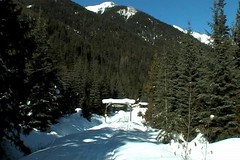
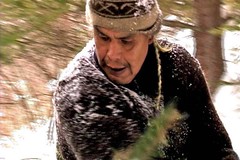
Quiet Struggle  – Sutikalh the Winter Spirit (Japan 2009)>Quiet Struggle  – Sutikalh the Winter Spirit (Japan 2009)>Quiet Struggle  – Sutikalh the Winter Spirit (Japan 2009)

Der japanische Dokumentarfilmer Kazutaka Tokoda hat bereits zwei seiner früheren Werke beim Globians Doc Fest vorgestellt: 2005 seine abendfüllenden Dokfilm "WAIA" über die Initiationsriten der vom Amazonas nach Matto Grasso zwangsumgesiedelten Xavante in Brasilien und 2007 "Memory of the Waves" über den japanischen Holzkünstler Arashiro Yasuhiro, der noch Kanus aus einem Einbaum schnitzt. Kazutaka Tokoda hat seinen Besuch beim 5. Globians Doc Fest Berlin bereits bestätigt; er wird der erste Filmemacher sein, der in der fünfjährigen Projektgeschichte des Globians Doc Fest insgesamt drei Mal die weite Reise von Japan nach Deutschland antritt und mit insgesamt nunmehr drei Filmen im Festivalprogramm vertreten war. Wir freuen uns sehr. Herzlich Willkommen Tokosama!

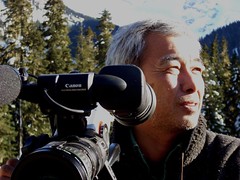
Quiet Struggle  – Sutikalh the Winter Spirit (Japan 2009) Director Kazutaka Tokoda

GLOBIANS DOC FEST BERLIN
August 12 - 17, 2009
Kino Toni, Antonplatz
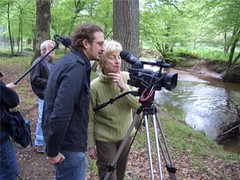
Essayfilme (5) | Kinderseelen (3)
Die Gewissheiten des Lebens

Film-Nr.: 352
Vorführungstermin: Freitag, 14. August 2009, 19 Uhr (Hauptfilm) [VN35]
Themenschwerpunkt: Essayfilme (5) | Kinderseelen (3)

Englischer Titel: Certainty
Originaltitel: Certainty
Deutscher Titel: Gewissheit
Herkunft: Kanada 2009
Laufzeit: 44 Min.
Sprachfassung: Englische Originalfassung

Regie: David Hauka
Produzent: David Hauka
Schnitt: David Hauka
Kamera: David Hauka
Musik: Glass, Preisner, Keating, Apocalyptica
Produktion: Hauka Films Inc., Vancouver, Kanada

URL Film-Homepage:
Premierenstatus: Weltpremiere


Kurzinhalt: Kindheitserfahrungen als die Gewissheiten des Lebens: Über Leben, Tod und Bäume hochklettern, den Fluss der Zeit und den der Geschichte, Geschichten über Liebe und die des Verlustes sowie über das Wettrennen zum Mond inklusive Atombombentests.

Trailervideo:
Rezension/Review: http://www.vancouversun.com/entertainment/movie-guide/Filmmaker+poetic+essay+plumbs+deep+questions/1673677/story.html

Englische Synopsis: Set to the music of Glass, Preisner, Keating and Apocalyptica, 'Certainty' is a compelling examination of life, death and climbing trees. Tales of love, loss and the Race for the Moon set against the flux of time - 'Certainty.'

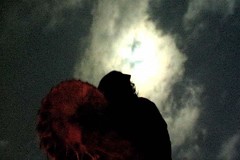
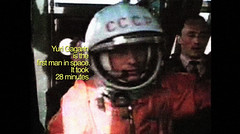
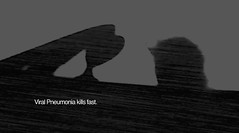
Certainty (CANADA 2009) still>Certainty (CANADA 2009) still>Certainty (CANADA 2009) still

Englische Werkbeschreibung: Set to the music of Glass, Preisner, Keating, Prokofiev and Apocalyptica (among others), 'Certainty' is an exploration of life, death and climbing trees. Weaving film from the filmmaker's personal archive with the Space Race and nuclear tests, the film is a compelling look into personal loss set against the flux of time and history.

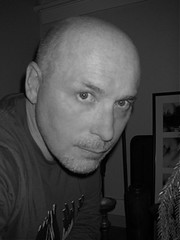
Certainty (CANADA 2009) Director David Hauka

David Hauka was nominated as "Best Director of a First Feature Film" in 1992 by the Academy of Canadian Cinema for his film "Impolite.” “Solus,” a half hour dance film featuring Owen Montague of Canada’s National Ballet, won a Gold Plaque at the Chicago International Film Festival and placed 2nd at the New York Dance on Camera Festival.
Hauka has directed music videos for artists such as Sarah Mclachlan, Lava Hay, Moev and Hilt. His early short films were featured at film festivals in Europe, Australia and the United States.
Recently, Hauka has completed several short films, including “Dream” and “Alberta Ride of the Valkyrie.” Both these films have been featured at international film festivals in Europe and North America.

Dieser Film aus dem Programm des Globians Doc Fest wird wiederholt und zwar am 09. Dezember 2009 um 20.00 Uhr im Eiffelturm-Kino Berlin (im Centre Français de Berlin), Müllerstr. 74, U-Bahnhof Rehberge/Afrikanische Straße.

GLOBIANS DOC FEST BERLIN
August 12 - 17, 2009
Kino Toni, Antonplatz
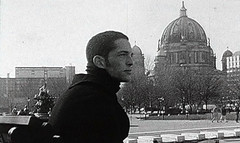
ISRAEL | Deutsche im Ausland (3) | Langzeit-Traumata (4):
Meine Liebe Dein Land

Film-Nr.: 651
Vorführungstermin: Montag, 17. August 2009, 19 Uhr [VN65]
Themenschwerpunkt: Deutsche im Ausland (3) | Langzeit-Traumata (4) Israel | Heilung als kultureller und sozialer Prozess (6)

Englischer Titel: My Love Your Land
Originaltitel: Meine Liebe Dein Land
Deutscher Titel: Meine Liebe Dein Land
Herkunft: Deutschland 2009
Laufzeit: 60 min.
Sprachfassung: Deutsch-hebräisch-englische Originalfassung mit englischen Untertiteln

Regie: Gerhard Schick
Produzent: Gerhard Schick
Drehbuch: Miriam Jakobs
Schnitt: Heinz Kraft, Gerhard Schick
Kamera: Gerhard Schick
Produktion: Schick Films, Köln (Cologne)

Website: http://gerhardschick.de
Premierenstatus: Weltpremiere


Kurzinhalt: Als Sven aus Deutschland Orly aus Israel traf, war er 19 und sie 33. Obwohl Orly schon zwei Kinder hatte, waren die beiden als Paar unzertrennlich. Orlys Eltern waren über diese neue Beziehung ihrer Tochter gar nicht glücklich, viele Familienmitglieder wurden im Holocaust umgebracht. Aber bald zog Sven nach Tel Aviv um und das ungleiche Paar heiratete. Ihre Geschichte reflektiert das gesamte Spektrum sozialer und politischer Probleme von Israel im kleinen Universum einer Familie.

Trailervideo: http://blip.tv/file/2358706 + http://www.youtube.com/watch?v=N7GaQBQHSfI

Englische Synopsis: When Sven from Germany was 19, he met Orly from Israel, who was 33. Although she already had two children, they became inseparable. Orly’s parents were not happy about their daughter’s new relationship – many family members were murdered during the holocaust. But soon Sven moved to Tel Aviv and the unequal couple got married. Their story is never just a private love affaire — it reflects all critical social and political Israeli issues in the small universe of a family.

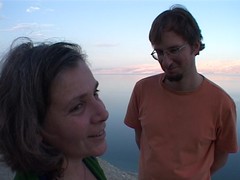
Meine Liebe Dein Land (Germany 2009) still>Meine Liebe Dein Land (Germany 2009) still>Meine Liebe Dein Land (Germany 2009) still

Englische Werkbeschreibung: I met my best friend Sven on a plane to Israel. We were both in the twelfth grade and on our way to a student exchange with Tel Aviv. We immediately fell in love with this strange and peculiar country, and for two naive pacifists we coped surprisingly quickly with the ever-present military. Then Sven met Orly. Although Orly had two children from her first marriage, and although she was 14 years older than Sven, they became inseparable. All the facts spoke against them: the German boy and the Israeli woman, the down-to-earth physicist and the emotional musician, the boy from provincial Cologne in the turbulences of the Middle East. Moreover, Orly’s parents were not happy about their daughter’s new relationship. Many family members were murdered during the holocaust. A German son-in-law was unthinkable for them. But the unequal couple seemed to defy the odds. A year after they had first met, Sven moved to Tel Aviv. Orly’s son Amos and her daughter Anat live partly with their natural father and partly with Orly and Sven. When Sven entered their life, they were only five and six years old. For them it became normal to have a German as a second father. On some days, especially on the Holocaust Memorial Day, this normality is challenged, though. Besides, the ongoing crisis makes a normal life in Israel look like a far away dream. On one evening a suicide attack occurs only a few hundred meters from Sven and Orly’s house. So their story is never just a private love affaire – it reflects all critical social and political issues in the small universe of a family.

Meine Liebe Dein Land (Germany 2009)>Meine Liebe Dein Land (Germany 2009)>Meine Liebe Dein Land (Germany 2009)

Von Gerhard Schick zeigte das Globians Doc Fest 2008 bereits im August 2008 die Produktion "Tanz und Tabu in Sao Paulo" über die Choreographin Gerda König.

Meine Liebe Dein Land (Germany 2009) director Gerhard Schick

Director‘s Bio: Gerhard Schick. Geboren 1970. Studium der Theater-, Film- und Fernsehwissenschaft, Deutschen Philologie und Geschichte in Köln und Tel Aviv. Seit 1999 Autor von Dokumentarfilmen. Arbeiten unter anderem für die 3sat-Redaktion des WDR Köln, ZDF/arte, NDR/arte und das Goethe-Institut. Lehraufträge an der Hochschule für Fernsehen und Film (HFF) München und der Universität Regensburg.

Filmographie (Auszüge)
2009: Aus der Waagerechten in die Senkrechte.
Montage der Skulptur Standortmitte, 60’
Raus aus dem Zauberwald, 45’
2008: Der Klang der Worte, 74’
Meine Liebe Dein Land, 60’
2007: Der andere Körper. Tanz und Tabu in Sao Paulo 60‘
Requiem für einen Punk, 80’
2006: Einladung zum Tanz, 90’
2005: Das Monster in uns, 60’
Zwischen Himmel und Erde, 5x30’
1999: Pirambu - Wege aus der Armut, 45’
1996: Shalom Alaaf – Erinnerungen Kölner Juden, 45’

Dieser Film aus dem Programm des Globians Doc Fest wird wiederholt und zwar am 25. November 2009 um 21.00 Uhr im Eiffelturm-Kino Berlin (im Centre Français de Berlin), Müllerstr. 74, U-Bahnhof Rehberge/Afrikanische Straße.

GLOBIANS DOC FEST BERLIN
August 12 - 17, 2009
Kino Toni, Antonplatz